
Books like The Postman
What should you read after David Brin’s novel? It depends on what you loved most about it.
- David Brin
- 1985
- Post-apocalyptic fiction
What did you love about it?
Choosing one reorders everything below.
Best books to read after The Postman
Ranked overall. Pick what you loved above to re-rank them.
 Best overall match
The Road
Cormac McCarthy
The exact opposite argument, which is why it belongs first: Brin thinks people rebuild, McCarthy thinks they eat each other, and one father keeps walking anyway.
- The Pacific Northwest in ruins
- Survivalist militias as the enemy
- Optimism after collapse
- No hope of rebuilding anything
 Best for civilisation worth rebuilding
Station Eleven
Emily St. John Mandel
Brin's thesis, written thirty years later and better: a troupe carrying Shakespeare between settlements because survival alone turned out not to be enough for anyone.
- Mail as civilisation
- Rebuilding rather than surviving
- Optimism after collapse
- Literary pacing, braided timelines
 Great match
The Stand
Stephen King
The maximal version of the same story — America emptied, survivors gathering, one settlement trying to rebuild democracy while another builds something worse.
- Rebuilding rather than surviving
- Survivalist militias as the enemy
- A lie that becomes a government
- Over a thousand pages
 Best for the town that keeps going
Alas, Babylon
Pat Frank
A small Florida town after the bombs, run by people who improvise a functioning community out of what is left. Brin was clearly reading this.
- Rebuilding rather than surviving
- Optimism after collapse
- A con man who grows a conscience
- Written in 1959, dated attitudes
 Great match
The Dog Stars
Peter Heller
One man, a small plane and a dog, discovering that the hardest part of the end of the world is deciding to trust the next person you meet.
- Optimism after collapse
- The Pacific Northwest in ruins
- Rebuilding rather than surviving
- Clipped, unpunctuated style
 Great match
The Passage
Justin Cronin
The long middle section — a walled colony a century on, governed by rules nobody remembers agreeing to — is the most Brin-like thing in modern apocalyptic fiction.
- Rebuilding rather than surviving
- A lie that becomes a government
- Vampires, essentially
 Best for civilisation as a fragile habit
Earth Abides
George R. Stewart
Stewart watches one man try to hand knowledge on to children who do not want it, which is the melancholy underside of Brin's faith in institutions.
- Mail as civilisation
- Rebuilding rather than surviving
- Optimism after collapse
- Meditative, almost plotless
 Worth a look — with a warning
Lucifer's Hammer
Larry Niven and Jerry Pournelle
Same decade, same question about who rebuilds and who preys, but Niven and Pournelle's sympathies sit with the fortified enclave rather than the postman.
- Rebuilding rather than surviving
- Survivalist militias as the enemy
- Politically hard-edged
 Great match
A Canticle for Leibowitz
Walter M. Miller Jr
Monks preserving documents nobody can read yet, across a thousand years — the purest version of Brin's idea that carrying the paperwork is how a civilisation survives.
- Mail as civilisation
- Rebuilding rather than surviving
- Optimism after collapse
- Deeply Catholic in framing
 Great match
Oryx and Crake
Margaret Atwood
Atwood's survivor also invents a mythology to hold a community together, except he knows it is false and tells it anyway — Brin's central trick, seen from the inside.
- A lie that becomes a government
- A con man who grows a conscience
- Optimism after collapse
- Satirical and cold
 Great match
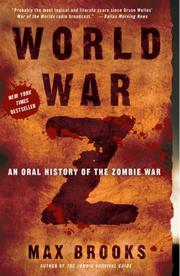
World War Z
Max Brooks
Brooks is unusually interested in the part most apocalypses skip: logistics, governments, and the unglamorous business of a species organising itself back into shape.
- Rebuilding rather than surviving
- Optimism after collapse
- Mail as civilisation
- Zombies, obviously
 Worth a look — with a warning
The Giver
Lois Lowry
A society that solved chaos by lying to everyone in it, which is the uncomfortable question Brin leaves hanging over his hero's invented Restored United States.
- A lie that becomes a government
- Rebuilding rather than surviving
- Written for young readers
 Great match
The Hunger Games
Suzanne Collins
Collins is also writing about symbols doing political work: Katniss becomes a mockingjay much the way Gordon becomes a postman, whether either of them wanted it.
- A lie that becomes a government
- A con man who grows a conscience
- YA, first-person present tense
What should you read after The Postman?
The Postman by David Brin works on several levels at once, and which book you should read next depends on which of those levels got you. For most readers the closest match is The Road by Cormac McCarthy — the exact opposite argument, which is why it belongs first: Brin thinks people rebuild, McCarthy thinks they eat each other, and one father keeps walking anyway.
If what stayed with you was mail as civilisation, read Station Eleven by Emily St. John Mandel instead: brin's thesis, written thirty years later and better: a troupe carrying Shakespeare between settlements because survival alone turned out not to be enough for anyone. The Stand by Stephen King is the other strong option — the maximal version of the same story — America emptied, survivors gathering, one settlement trying to rebuild democracy while another builds something worse.
Common questions
- What should you read after The Postman?
- The Road by Cormac McCarthy, Station Eleven by Emily St. John Mandel, The Stand by Stephen King are the closest matches. Which fits best depends on what you loved about The Postman: a lie that becomes a government, mail as civilisation, rebuilding rather than surviving, a con man who grows a conscience.
- What is the best book like The Postman?
- The Road by Cormac McCarthy is the strongest overall match. The exact opposite argument, which is why it belongs first: Brin thinks people rebuild, McCarthy thinks they eat each other, and one father keeps walking anyway.
- What are books similar to The Postman by David Brin?
- The Road by Cormac McCarthy, Station Eleven by Emily St. John Mandel, The Stand by Stephen King, Alas, Babylon by Pat Frank, The Dog Stars by Peter Heller, The Passage by Justin Cronin, Earth Abides by George R. Stewart, Lucifer's Hammer by Larry Niven and Jerry Pournelle, A Canticle for Leibowitz by Walter M. Miller Jr, Oryx and Crake by Margaret Atwood, World War Z by Max Brooks, The Giver by Lois Lowry, The Hunger Games by Suzanne Collins. Each one matches a different part of The Postman rather than just its genre.
- Is The Road worth reading after The Postman?
- Yes — readers who loved The Postman tend to land well with it: the same ruined American roads; survival detail rendered precisely; one decent man among predators. One thing to know going in: no hope of rebuilding anything.
Loved something else?
Start from any book and we’ll build the list around your reasons.
Find my next book →NextBook is a participant in the Amazon Associates Program. We earn from qualifying purchases, at no extra cost to you. It doesn’t affect which books we recommend or how we rank them.
More “what to read next” lists
- Books like 1984
- Books like 2312
- Books like A Clockwork Orange
- Books like A Darker Shade of Magic
- Books like A Gentleman in Moscow
- Books like A Little Life
- Books like A Man Called Ove
- Books like A Memory Called Empire
- Books like A Wrinkle in Time
- Books like All Systems Red
- Books like All the Bright Places
- Books like Altered Carbon