
Books like Brave New World
What should you read after Aldous Huxley’s novel? It depends on what you loved most about it.
- Aldous Huxley
- 1931
- Dystopian fiction
What did you love about it?
Choosing one reorders everything below.
Best books to read after Brave New World
Ranked overall. Pick what you loved above to re-rank them.
 Best overall match
1984
George Orwell
The other half of the dystopian argument: Huxley's state drugs you into compliance, Orwell's stamps on you. Read together they cover nearly every way a society gets owned.
- Freedom versus comfort
- Ideas over characters
- Pleasure as control
- Bleak and brutal, never seductive
 Best for the satire of consumer culture
Fahrenheit 451
Ray Bradbury
Bradbury's citizens aren't oppressed so much as entertained into stupor by wall-sized screens. It is the distraction half of Huxley's warning, at half the length.
- Pleasure as control
- Satire of consumer culture
- Freedom versus comfort
- More lyrical than argumentative
 Great match
The Handmaid’s Tale
Margaret Atwood
Atwood builds her regime out of the same raw material Huxley did — control of reproduction — but hers is puritan rather than pharmaceutical, and told from inside one woman's body.
- Babies made to order
- Freedom versus comfort
- Ideas over characters
- Frightening rather than funny
 Best for the ideas
We
Yevgeny Zamyatin
The book Huxley was accused of borrowing from: a glass city, numbered citizens, a mathematician who catches feelings. Stranger and more jagged than either famous dystopia.
Recommended by readers in 4 of 6 threads we reviewed
- Engineered happiness
- Ideas over characters
- Freedom versus comfort
- Modernist prose, harder going
 Worth a look — with a warning
A Clockwork Orange
Anthony Burgess
Also about conditioning people into good behaviour, and just as unconvinced that it counts as goodness — except Burgess makes you sit inside the violence to get there.
- Freedom versus comfort
- Ideas over characters
- Pleasure as control
- Graphic sexual violence early on
 Great match
Never Let Me Go
Kazuo Ishiguro
People raised for a purpose they never chose and never seriously resist. Ishiguro keeps the machinery offstage; the horror is how gently everyone accepts it.
- Babies made to order
- Freedom versus comfort
- Engineered happiness
- No satire, no set-piece arguments
 Best for the engineered happiness
The Giver
Lois Lowry
A community that abolished pain, colour and choice in one stroke. Huxley's premise at a child's eye level, and you can finish it in an afternoon.
Recommended by readers in 3 of 6 threads we reviewed
- Engineered happiness
- Freedom versus comfort
- Ideas over characters
- Written for younger readers
 Great match
Animal Farm
George Orwell
Orwell in fable form: a hundred pages on how a promise of equality hardens into a hierarchy nobody voted for. Blunter than Huxley and quotable to the last line.
- Ideas over characters
- Freedom versus comfort
- Satire of consumer culture
- Allegory, not worldbuilding
 Worth a look — with a warning
The Hunger Games
Suzanne Collins
Bread and circuses played straight: a Capitol that keeps its districts docile with spectacle. Good if you want Huxley's idea as a thriller rather than an argument.
- Pleasure as control
- Satire of consumer culture
- Freedom versus comfort
- YA action, little philosophy
 Great match
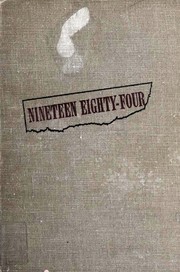
Nineteen Eighty-Four
Orwell's novel under its full title, and worth naming twice: pairing it with Huxley is the oldest reading suggestion in the genre because the two really do complete each other.
- Freedom versus comfort
- Ideas over characters
- Same book as the 1984 entry above
 Worth a look — with a warning
The Road
Cormac McCarthy
The far end of the spectrum: no state, no comfort, nothing engineered at all. Worth it if what held you was the question of what a person is for.
- Freedom versus comfort
- Ideas over characters
- Post-apocalyptic, not dystopian
 Best for the satire
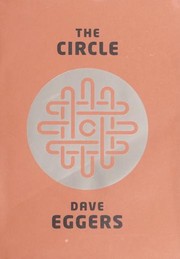
The Circle
Dave Eggers
Soma reissued as a friendly tech campus where everyone volunteers for their own surveillance. The satire is broad and obvious, and uncomfortably close to a normal Tuesday.
- Pleasure as control
- Satire of consumer culture
- Engineered happiness
- Blunt characters, thin prose
 Great match
Oryx and Crake
Margaret Atwood
Atwood on engineered people, corporate compounds and pleasure industries, narrated after it all collapsed. The closest anyone has come to Brave New World with modern biotech in view.
Recommended by readers in 3 of 6 threads we reviewed
- Babies made to order
- Satire of consumer culture
- Engineered happiness
- Told from after the collapse
What should you read after Brave New World?
Brave New World by Aldous Huxley works on several levels at once, and which book you should read next depends on which of those levels got you. For most readers the closest match is 1984 by George Orwell — the other half of the dystopian argument: Huxley's state drugs you into compliance, Orwell's stamps on you. Read together they cover nearly every way a society gets owned.
If what stayed with you was pleasure as control, read Fahrenheit 451 by Ray Bradbury instead: bradbury's citizens aren't oppressed so much as entertained into stupor by wall-sized screens. It is the distraction half of Huxley's warning, at half the length. The Handmaid’s Tale by Margaret Atwood is the other strong option — atwood builds her regime out of the same raw material Huxley did — control of reproduction — but hers is puritan rather than pharmaceutical, and told from inside one woman's body.
What readers recommend
Across 6 Reddit threads asking what to read after Brave New World, the books readers name most often are We (4 of 6 threads), The Giver (3 of 6 threads) and Oryx and Crake (3 of 6 threads). Every count is a distinct thread, not repeat comments.
Sources: r/booksuggestions (2025) · r/suggestmeabook (2020) · r/booksuggestions (2019)
Common questions
- What should you read after Brave New World?
- 1984 by George Orwell, Fahrenheit 451 by Ray Bradbury, The Handmaid’s Tale by Margaret Atwood are the closest matches. Which fits best depends on what you loved about Brave New World: engineered happiness, pleasure as control, babies made to order, an outsider who quotes shakespeare.
- What is the best book like Brave New World?
- 1984 by George Orwell is the strongest overall match. The other half of the dystopian argument: Huxley's state drugs you into compliance, Orwell's stamps on you. Read together they cover nearly every way a society gets owned.
- What are books similar to Brave New World by Aldous Huxley?
- 1984 by George Orwell, Fahrenheit 451 by Ray Bradbury, The Handmaid’s Tale by Margaret Atwood, We by Yevgeny Zamyatin, A Clockwork Orange by Anthony Burgess, Never Let Me Go by Kazuo Ishiguro, The Giver by Lois Lowry, Animal Farm by George Orwell, The Hunger Games by Suzanne Collins, Nineteen Eighty-Four by , The Road by Cormac McCarthy, The Circle by Dave Eggers, Oryx and Crake by Margaret Atwood. Each one matches a different part of Brave New World rather than just its genre.
- Is 1984 worth reading after Brave New World?
- Yes — readers who loved Brave New World tend to land well with it: total state control; ideas argued through plot; a rebel who reads. One thing to know going in: bleak and brutal, never seductive.
Loved something else?
Start from any book and we’ll build the list around your reasons.
Find my next book →NextBook is a participant in the Amazon Associates Program. We earn from qualifying purchases, at no extra cost to you. It doesn’t affect which books we recommend or how we rank them.
More “what to read next” lists
- Books like 1984
- Books like 2312
- Books like A Clockwork Orange
- Books like A Darker Shade of Magic
- Books like A Gentleman in Moscow
- Books like A Little Life
- Books like A Man Called Ove
- Books like A Memory Called Empire
- Books like A Wrinkle in Time
- Books like All Systems Red
- Books like All the Bright Places
- Books like Altered Carbon