
Books like The Bell Jar
What should you read after Sylvia Plath’s novel? It depends on what you loved most about it.
- Sylvia Plath
- 1963
- Literary fiction
What did you love about it?
Choosing one reorders everything below.
Best books to read after The Bell Jar
Ranked overall. Pick what you loved above to re-rank them.
 Best overall match
The Catcher in the Rye
J.D. Salinger
The other great American voice of a young person coming apart, told with the same deadpan comedy — Holden's disgust and Esther's numbness are close cousins.
- A narrator who is very funny
- Depression described from inside
- Fifties expectations for women
- A boy's version, less about gender
 Best for the hospital chapters
Girl, Interrupted
Susanna Kaysen
Kaysen actually lived the ward Esther gets sent to, a decade later, and writes it up as cool reportage: the diagnoses, the checks, the girls, the paperwork.
Recommended by readers in 4 of 6 threads we reviewed
- Hospitals and the cures they tried
- Depression described from inside
- How close it is to the author's life
- Memoir, not a novel
 Worth a look — with a warning
Prozac Nation
Elizabeth Wurtzel
The nineties heir to Esther's voice: brilliant, self-aware and exhausting on purpose. It is more honest about the selfishness of depression than most readers find comfortable.
- Depression described from inside
- How close it is to the author's life
- A narrator who is very funny
- The narrator is hard to like
 Best for the rest cure
The Yellow Wallpaper
Charlotte Perkins Gilman
Fifty pages, written seventy years earlier, about a woman talked into her own confinement by kind men who know better. Plath's argument in miniature.
Recommended by readers in 3 of 6 threads we reviewed
- Hospitals and the cures they tried
- Fifties expectations for women
- Depression described from inside
- A novella, over very fast
 Great match
White Oleander
Janet Fitch
Fitch writes damage in the same jewelled sentences Plath does, following a girl handed from one bad house to the next with nobody coming to collect her.
- Poet's sentences
- Depression described from inside
- Fifties expectations for women
- Foster care, not illness
 Best for a younger reader
The Perks of Being a Wallflower
Stephen Chbosky
The gentler entry point: the same watchful narrator and the same damage surfacing slowly, but with friends who show up and a voice you want to protect.
Recommended by readers in 3 of 6 threads we reviewed
- Depression described from inside
- A narrator who is very funny
- The fig tree of impossible choices
- Much lighter overall
 Best for the fig tree
The Awakening
Kate Chopin
Chopin's Edna wants a life nobody will let her have, sixty years before Esther, and arrives at much the same conclusion. The menu had barely changed.
- The fig tree of impossible choices
- Fifties expectations for women
- Poet's sentences
- Set in Louisiana, 1899
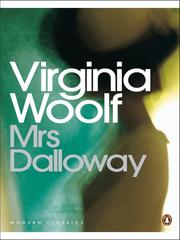 Best for the sentences
Mrs. Dalloway
Virginia Woolf
Woolf keeps you inside a mind across a single day, and hands Septimus the breakdown the doctors keep explaining away. Plath read her very closely.
- Poet's sentences
- Depression described from inside
- Hospitals and the cures they tried
- No conventional plot
 Worth a look — with a warning
Wuthering Heights
Emily Bronte
Here for the ferocity rather than the illness: a novel with no interest whatever in whether women are likeable, which is why Plath's readers keep landing on it.
- Poet's sentences
- Fifties expectations for women
- The fig tree of impossible choices
- A wildly different plot
 Great match
The Great Gatsby
F. Scott Fitzgerald
The other side of the same American promise — glittering New York, borrowed money, people who let you down — in prose Plath's readers tend to love.
- Poet's sentences
- A summer internship that curdles
- Fifties expectations for women
- No interiority about illness
 Best for a woman written as mad
Wide Sargasso Sea
Jean Rhys
Rhys hands the madwoman in Jane Eyre's attic her own voice and shows precisely who made her that way. Furious, hallucinatory, under two hundred pages.
- Poet's sentences
- Depression described from inside
- Fifties expectations for women
- Colonial Caribbean setting
 Worth a look — with a warning
The Handmaid’s Tale
Margaret Atwood
If what stayed with you was the machinery of expectation around women, Atwood builds it into an entire state and lets a very dry narrator walk you through it.
- Fifties expectations for women
- The fig tree of impossible choices
- A narrator who is very funny
- Speculative dystopia, not realism
What should you read after The Bell Jar?
The Bell Jar by Sylvia Plath works on several levels at once, and which book you should read next depends on which of those levels got you. For most readers the closest match is The Catcher in the Rye by J.D. Salinger — the other great American voice of a young person coming apart, told with the same deadpan comedy — Holden's disgust and Esther's numbness are close cousins.
If what stayed with you was hospitals and the cures they tried, read Girl, Interrupted by Susanna Kaysen instead: kaysen actually lived the ward Esther gets sent to, a decade later, and writes it up as cool reportage: the diagnoses, the checks, the girls, the paperwork. Prozac Nation by Elizabeth Wurtzel is the other strong option — the nineties heir to Esther's voice: brilliant, self-aware and exhausting on purpose. It is more honest about the selfishness of depression than most readers find comfortable.
What readers recommend
Across 6 Reddit threads asking what to read after The Bell Jar, the books readers name most often are Girl, Interrupted (4 of 6 threads), The Yellow Wallpaper (3 of 6 threads) and The Perks of Being a Wallflower (3 of 6 threads). Every count is a distinct thread, not repeat comments.
Sources: r/suggestmeabook (2025) · r/suggestmeabook (2025) · r/suggestmeabook (2026)
Common questions
- What should you read after The Bell Jar?
- The Catcher in the Rye by J.D. Salinger, Girl, Interrupted by Susanna Kaysen, Prozac Nation by Elizabeth Wurtzel are the closest matches. Which fits best depends on what you loved about The Bell Jar: a summer internship that curdles, depression described from inside, the fig tree of impossible choices, fifties expectations for women.
- What is the best book like The Bell Jar?
- The Catcher in the Rye by J.D. Salinger is the strongest overall match. The other great American voice of a young person coming apart, told with the same deadpan comedy — Holden's disgust and Esther's numbness are close cousins.
- What are books similar to The Bell Jar by Sylvia Plath?
- The Catcher in the Rye by J.D. Salinger, Girl, Interrupted by Susanna Kaysen, Prozac Nation by Elizabeth Wurtzel, The Yellow Wallpaper by Charlotte Perkins Gilman, White Oleander by Janet Fitch, The Perks of Being a Wallflower by Stephen Chbosky, The Awakening by Kate Chopin, Mrs. Dalloway by Virginia Woolf, Wuthering Heights by Emily Bronte, The Great Gatsby by F. Scott Fitzgerald, Wide Sargasso Sea by Jean Rhys, The Handmaid’s Tale by Margaret Atwood. Each one matches a different part of The Bell Jar rather than just its genre.
- Is The Catcher in the Rye worth reading after The Bell Jar?
- Yes — readers who loved The Bell Jar tend to land well with it: wry, alienated first person; a breakdown told as comedy; a city that turns hostile. One thing to know going in: a boy's version, less about gender.
Loved something else?
Start from any book and we’ll build the list around your reasons.
Find my next book →NextBook is a participant in the Amazon Associates Program. We earn from qualifying purchases, at no extra cost to you. It doesn’t affect which books we recommend or how we rank them.
More “what to read next” lists
- Books like 1984
- Books like 2312
- Books like A Clockwork Orange
- Books like A Darker Shade of Magic
- Books like A Gentleman in Moscow
- Books like A Little Life
- Books like A Man Called Ove
- Books like A Memory Called Empire
- Books like A Wrinkle in Time
- Books like All Systems Red
- Books like All the Bright Places
- Books like Altered Carbon