
Books like The Three-Body Problem
What should you read after Cixin Liu’s novel? It depends on what you loved most about it.
- Cixin Liu
- 2008
- Hard science fiction
What did you love about it?
Choosing one reorders everything below.
Best books to read after The Three-Body Problem
Ranked overall. Pick what you loved above to re-rank them.
 Best overall match
Dune
Frank Herbert
The other great novel where ecology, politics and physics matter more than any single person, and where a plan can take three centuries to pay off. Herbert thinks at Liu's scale.
- Centuries-long consequences
- Ideas over characters
- Cold cosmic scale
- Feudal space opera, not physics
 Best for the cosmic scale
Hyperion
Dan Simmons
Seven pilgrims, seven stories, one entity that makes human timescales look silly. Simmons shares Liu's willingness to let the universe be genuinely indifferent to us.
- Cold cosmic scale
- A civilisation that answers back
- Ideas over characters
- Ends mid-story; book two required
 Best for the science
Red Mars
Kim Stanley Robinson
Robinson does for terraforming what Liu does for astrophysics: the engineering is the story, and the argument over who gets to control it is the other half.
- Ideas over characters
- Physics as the antagonist
- Centuries-long consequences
- No aliens at all
 Great match
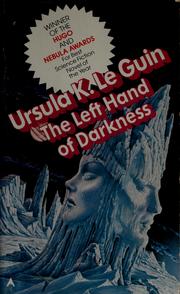
The Left Hand of Darkness
Ursula K. Le Guin
First contact done as anthropology rather than warfare: one envoy trying to understand a world whose assumptions differ from his at the root. The other end of Liu's question.
- A civilisation that answers back
- Ideas over characters
- Cold cosmic scale
- Intimate scale, essentially two characters
 Great match
Ender's Game
Orson Scott Card
Humanity training children for a war against something it does not understand, using exactly the simulation trick Liu reworks as the Three Body game.
- The VR game sequences
- A civilisation that answers back
- Scientists losing their nerve
- Child protagonist, YA-friendly
 Worth a look — with a warning
Neuromancer
William Gibson
Shares the feeling of a human being comprehensively outclassed by the intelligence on the other side of the screen, and a plot you half-assemble yourself out of technical debris.
- The VR game sequences
- Ideas over characters
- Cyberpunk noir, no aliens
 Great match
Ancillary Justice
Ann Leckie
An empire whose logic is genuinely non-human, examined from inside it. Leckie shares Liu's appetite for consequences unfolding across a thousand years and several bodies.
- A civilisation that answers back
- Centuries-long consequences
- Cold cosmic scale
- Character-driven, not physics-driven
 Best for faster pacing
Leviathan Wakes
James S.A. Corey
The same escalation — a small discovery that turns out to threaten the species — told as a hard-boiled thriller that never once stops to lecture you.
- A civilisation that answers back
- Physics as the antagonist
- Cold cosmic scale
- Nine books ahead of you
 Worth a look — with a warning
Altered Carbon
Richard K. Morgan
For readers who liked how coldly Liu treats a human life as a variable. Morgan makes bodies disposable and builds a mean, propulsive detective story on top of it.
- Ideas over characters
- Cold cosmic scale
- Graphic violence and sex
 Best for the centuries-long view
Foundation
Isaac Asimov
Asimov's psychohistory is the direct ancestor of Liu's long game: a plan laid down by people who know they will be dust long before it matters.
- Centuries-long consequences
- Ideas over characters
- Scientists losing their nerve
- 1950s prose and gender politics
 Great match
Revelation Space
Alastair Reynolds
Reynolds is a working astronomer and it shows: the same dread the dark forest produces, arrived at through archaeology, relativity and a very cold universe.
- Physics as the antagonist
- Cold cosmic scale
- A civilisation that answers back
- Gothic and often grim
 Best for the scientists
The Dispossessed
Ursula K. Le Guin
A physicist working on something that will change everything, caught between two systems that both intend to own it. Liu's ethical question, argued rather than dramatised.
- Scientists losing their nerve
- Ideas over characters
- The Cultural Revolution opening
- Political philosophy, very low action
 Worth a look — with a warning
Snow Crash
Neal Stephenson
The other novel that treats a virtual world as a real place with real casualties, and cheerfully halts the plot to explain a theory at considerable length.
- The VR game sequences
- Ideas over characters
- Satirical and frequently very silly
What should you read after The Three-Body Problem?
The Three-Body Problem by Cixin Liu works on several levels at once, and which book you should read next depends on which of those levels got you. For most readers the closest match is Dune by Frank Herbert — the other great novel where ecology, politics and physics matter more than any single person, and where a plan can take three centuries to pay off. Herbert thinks at Liu's scale.
If what stayed with you was cold cosmic scale, read Hyperion by Dan Simmons instead: seven pilgrims, seven stories, one entity that makes human timescales look silly. Simmons shares Liu's willingness to let the universe be genuinely indifferent to us. Red Mars by Kim Stanley Robinson is the other strong option — robinson does for terraforming what Liu does for astrophysics: the engineering is the story, and the argument over who gets to control it is the other half.
Common questions
- What should you read after The Three-Body Problem?
- Dune by Frank Herbert, Hyperion by Dan Simmons, Red Mars by Kim Stanley Robinson are the closest matches. Which fits best depends on what you loved about The Three-Body Problem: physics as the antagonist, a civilisation that answers back, the cultural revolution opening, the vr game sequences.
- What is the best book like The Three-Body Problem?
- Dune by Frank Herbert is the strongest overall match. The other great novel where ecology, politics and physics matter more than any single person, and where a plan can take three centuries to pay off. Herbert thinks at Liu's scale.
- What are books similar to The Three-Body Problem by Cixin Liu?
- Dune by Frank Herbert, Hyperion by Dan Simmons, Red Mars by Kim Stanley Robinson, The Left Hand of Darkness by Ursula K. Le Guin, Ender's Game by Orson Scott Card, Neuromancer by William Gibson, Ancillary Justice by Ann Leckie, Leviathan Wakes by James S.A. Corey, Altered Carbon by Richard K. Morgan, Foundation by Isaac Asimov, Revelation Space by Alastair Reynolds, The Dispossessed by Ursula K. Le Guin, Snow Crash by Neal Stephenson. Each one matches a different part of The Three-Body Problem rather than just its genre.
- Is Dune worth reading after The Three-Body Problem?
- Yes — readers who loved The Three-Body Problem tend to land well with it: strategy at civilisation scale; hard worldbuilding, patiently explained; centuries of consequence. One thing to know going in: feudal space opera, not physics.
Loved something else?
Start from any book and we’ll build the list around your reasons.
Find my next book →NextBook is a participant in the Amazon Associates Program. We earn from qualifying purchases, at no extra cost to you. It doesn’t affect which books we recommend or how we rank them.
More “what to read next” lists
- Books like 1984
- Books like 2312
- Books like A Clockwork Orange
- Books like A Darker Shade of Magic
- Books like A Gentleman in Moscow
- Books like A Little Life
- Books like A Man Called Ove
- Books like A Memory Called Empire
- Books like A Wrinkle in Time
- Books like All Systems Red
- Books like All the Bright Places
- Books like Altered Carbon